
The world of gaming has seen a meteoric rise in popularity, with flight simulation games like “Flight Legends” captivating players with their immersive experiences. Central to the enjoyment and fairness of these games is the concept of Random Number Generation (RNG) and the principles of fair play. This report delves into the science behind RNG, its implementation in flight simulation games, and how it affects player experiences and perceptions of fairness.
Understanding RNG in Gaming
Random Number Generation (RNG) is a mathematical process used to produce a sequence of numbers that lack any pattern. In gaming, RNG is critical for creating unpredictable outcomes, which can enhance the excitement and challenge of gameplay. RNG can be implemented in various ways, including pseudo-random number generators (PRNGs) and true random number generators (TRNGs).
- Pseudo-Random Number Generators (PRNGs): Most games, including flight simulators, utilize PRNGs due to their efficiency and speed. PRNGs use algorithms to generate sequences of numbers that appear random. These sequences are determined by an initial value known as a seed. While PRNGs are not truly random, they can produce results that are statistically indistinguishable from randomness for practical purposes.
- True Random Number Generators (TRNGs): In contrast, TRNGs generate randomness from physical processes, such as electronic noise or radioactive decay. While TRNGs can provide higher quality randomness, they are generally slower and more complex to implement, making them less common in gaming environments.
The Role of RNG in Flight Legends
In “Flight Legends,” RNG is employed in various aspects to enhance gameplay and maintain player engagement. Here are some key areas where RNG plays a significant role:
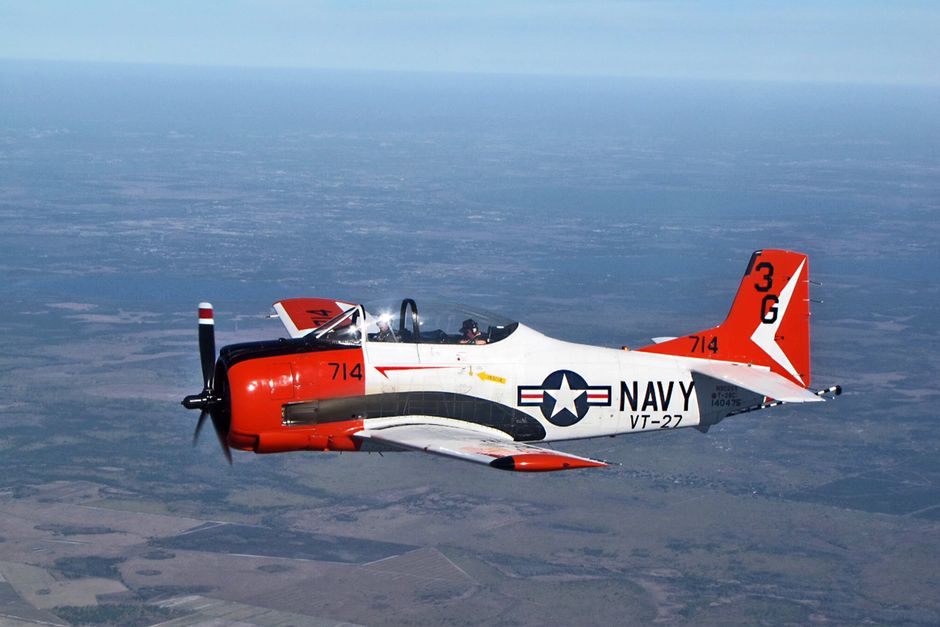
- Flight Mechanics: The physics of flight in simulation games is complex, involving numerous variables such as wind speed, turbulence, and atmospheric conditions. RNG is used to simulate these environmental factors, ensuring that no two flights are identical. This unpredictability keeps players on their toes and encourages them to adapt their strategies.
- Mission Outcomes: Many flight simulation games feature missions with varying degrees of difficulty and success criteria. RNG influences the outcomes of these missions by determining factors such as enemy behavior, mission objectives, and even the availability of resources. This variability can lead to a unique experience for each player, enhancing replayability.
- Loot and Rewards: In some flight simulation games, players can earn rewards or loot that enhance their aircraft or provide new capabilities. RNG is often used to determine the quality and type of rewards received, making the acquisition process exciting and unpredictable. Players may feel a sense of achievement when they receive rare items, adding to their overall satisfaction.
Fair Play and RNG
While RNG can enhance gameplay, it also raises questions about fairness. Players often express concerns regarding the perceived randomness of outcomes and the potential for frustration due to bad luck. Here are some key considerations regarding fair play in the context of RNG:
- Transparency: One of the essential elements of fair play is transparency. Players should be informed about how RNG is used in the game and how it affects their experiences. Developers can achieve this by providing detailed explanations of RNG mechanics, ensuring players understand that while outcomes may seem random, they are governed by established algorithms.
- Balancing RNG: Developers must strike a balance between randomness and fairness. If RNG is too heavily tilted in favor of luck, it can lead to player frustration and a feeling of helplessness. Conversely, if outcomes are too predictable, it can diminish excitement. Game developers often conduct extensive testing to fine-tune RNG mechanisms, ensuring that they provide a challenging yet fair experience.
- Player Agency: Providing players with agency can mitigate concerns about RNG. By allowing players to make meaningful choices that influence outcomes, developers can create a sense of control. For example, players can choose different flight paths, strategies, or aircraft upgrades, empowering them to shape their experiences despite the inherent randomness of the game.
The Psychological Impact of RNG
The psychological impact of RNG on players is an important aspect to consider. Players often develop emotional responses to the outcomes of RNG-driven events. Here are some key psychological factors at play:
- Variable Reward Systems: The unpredictability of rewards generated by RNG can trigger a psychological phenomenon known as the “variable reward schedule.” This schedule is known to increase engagement and motivation, as players are driven by the possibility of receiving a rare or powerful item. This principle is often utilized in gaming to keep players returning for more.
- Frustration and Motivation: While RNG can enhance excitement, it can also lead to frustration. Players who experience repeated failures due to bad luck may feel demotivated. Developers can address this by implementing systems that reward perseverance, such as offering consolation prizes or opportunities to retry missions.
- Community Engagement: The shared experiences of RNG outcomes can foster community engagement. Players often discuss their RNG experiences on forums and social media, creating a sense of camaraderie. This communal aspect can enhance player satisfaction and loyalty to the game.
Conclusion
The science behind flight simulation games like “Flight Legends” is intricately tied to the principles of RNG and fair play. By understanding how RNG operates and its impact on gameplay, developers can create engaging and equitable experiences for players. Transparency, balance, and player agency are crucial components in ensuring that RNG enhances rather than detracts from the overall gaming experience. As technology continues to evolve, the implementation of RNG will likely become even more sophisticated, providing players with increasingly immersive and unpredictable flight experiences. Ultimately, the balance between randomness and fairness will determine the longevity and success of flight simulation games in the competitive gaming landscape.


